The Polaroid Instant Camera
A child's question that became a camera. Edwin Land invented instant photography after his daughter asked why she could not see a photo right away. The Model 95, SX-70 and its revival.
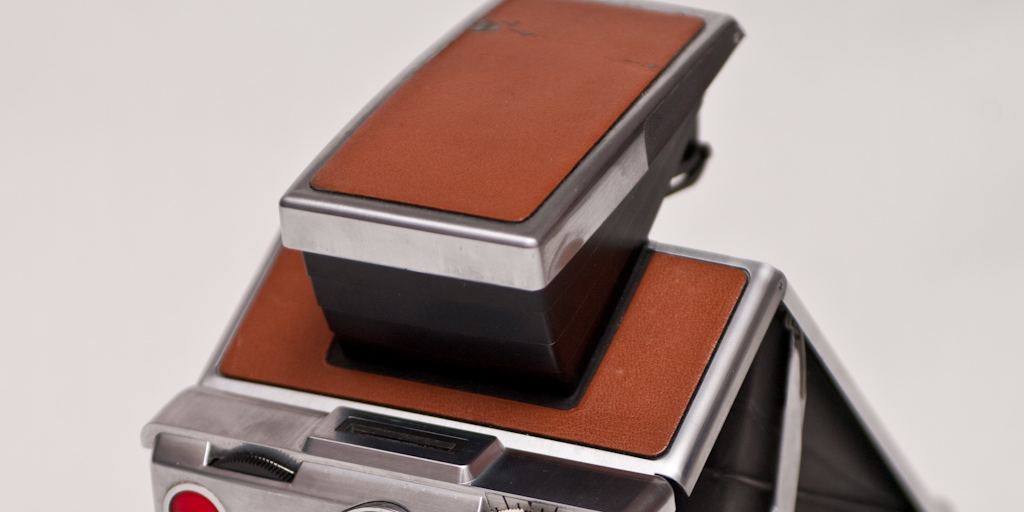
A Polaroid SX-70: Thomas Backa from Turku, Finland, CC0
Why can't I see it now?
In 1943, on holiday, Edwin Land's young daughter asked why she could not see a photo he had just taken. Land, founder of the Polaroid Corporation and an expert in polarising filters, worked out the basic idea for instant photography within hours, though it took years to perfect.
The Model 95
Polaroid's first instant camera, the Land Camera Model 95, went on sale in November 1948 at a department store in Boston and sold out on its first day. Early prints developed inside the camera and were peeled apart after about a minute.
The SX-70
In 1972 Polaroid introduced the SX-70, a folding camera that ejected a photo which developed in front of your eyes with no peeling. The white-framed square print became a design icon. Artists embraced Polaroids for their colours and the way prints could be manipulated.
Decline and revival
Digital cameras hit Polaroid hard, and it stopped making instant film in 2008. A group called the Impossible Project bought one of the last factories in the Netherlands and reinvented the film chemistry. Today instant cameras from several brands are popular again, and Polaroid film is made once more.
How it changed everyday life
Instant photos made photography social. At parties, weddings and family gatherings, people could pass prints around minutes after they were taken, and the white-bordered square became a visual style still copied by social media filters. Artists such as Andy Warhol used Polaroids for portraits. Instant prints also served practical roles, from insurance claims to ID photos. The return of instant cameras shows how much people value a physical photo in a digital age.
Did you know?
Shaking a modern instant photo does not help it develop and can even smudge it; the old shake it advice came from earlier peel-apart prints.
- A Polaroid SX-70: Thomas Backa from Turku, Finland, CC0
Text written by Original General.