The TV Remote Control
From Lazy Bones to infrared. TV remotes began with a wired Zenith in 1950, then light beams and ultrasonic clickers. The story of the remote and the arrival of infrared.
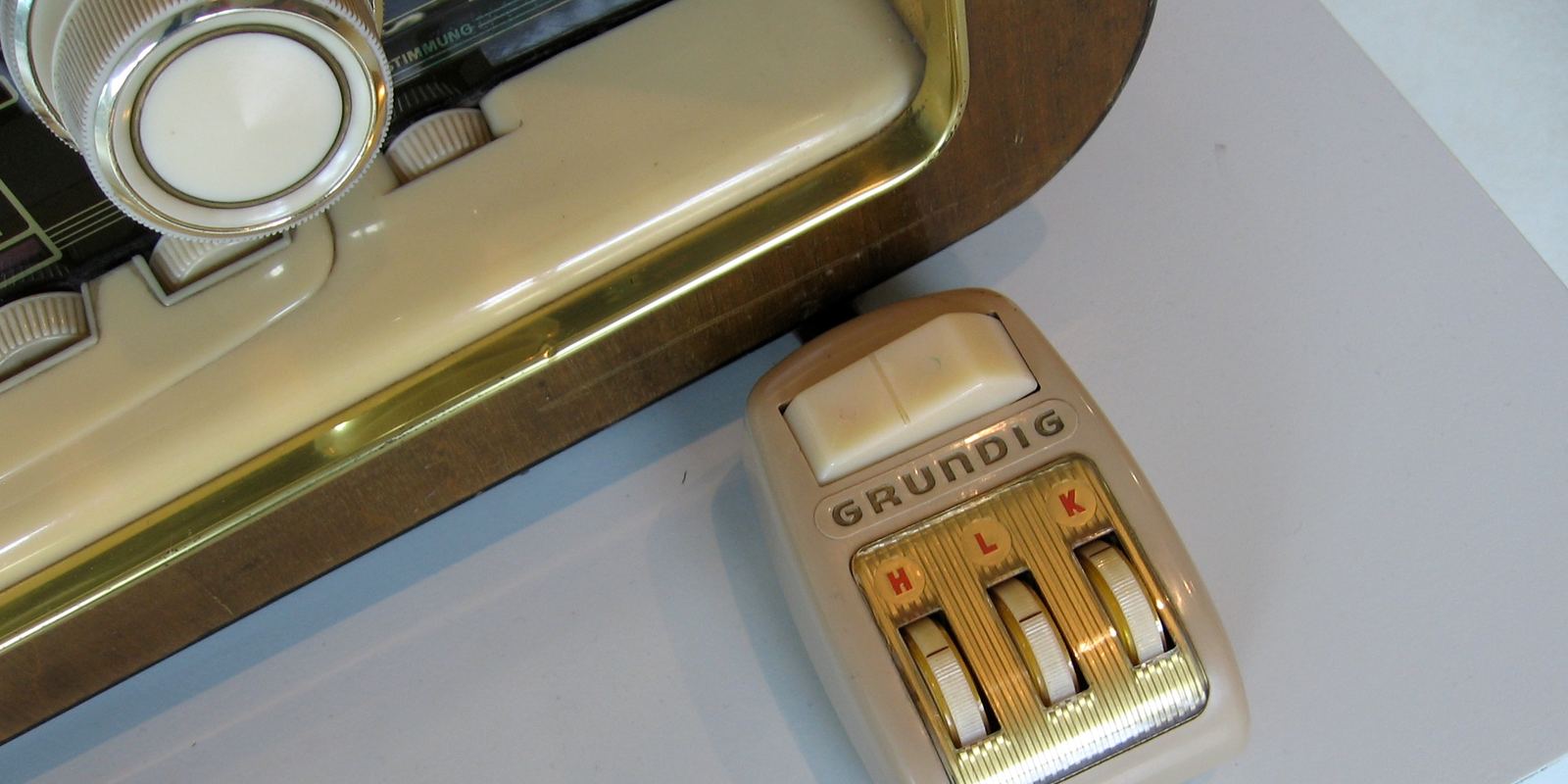
A vintage TV remote: Marcin Wichary, CC BY 2.0
Lazy Bones
In 1950 Zenith Radio Corporation sold a TV remote called Lazy Bones, connected to the set by a long cable. It worked, but people tripped over the wire.
Light beams and sound
In 1955 Zenith engineer Eugene Polley created the Flash-Matic, which shone a beam of light at photocells in the corners of the TV. Sunlight could change the channel by accident. In 1956 Robert Adler designed the Zenith Space Command, which used small metal rods struck by hammers to produce ultrasonic tones. The click of the hammers gave remotes the nickname the clicker.
Infrared takes over
From the late 1970s and 1980s, remotes used infrared light, which was cheap, reliable and could send many different commands. As TVs gained more channels and video recorders arrived, remotes grew more buttons. Universal remotes could control several devices.
Remotes today
Modern remotes may use radio signals or Bluetooth, voice control, and phone apps. Many TV interfaces are designed around a few buttons and a microphone. The humble remote changed how people watched TV, encouraging channel surfing.
How it changed everyday life
Remotes changed how families watched TV. Channel surfing became a habit, advertisers worried that viewers could skip commercials, and arguments over who held the remote became a classic household joke. As cable TV brought dozens of channels, remotes grew more buttons, and today streaming services design their whole apps around a handful of clicks. Vintage remotes, especially chunky models from the 1970s and 1980s, are popular with collectors of old-school electronics.
Did you know?
Eugene Polley and Robert Adler received an Emmy Award in 1997 for their work on the remote control.
- A vintage TV remote: Marcin Wichary, CC BY 2.0
Text written by Original General.