Crayola Crayons
A box of eight for a nickel. Crayola crayons launched in 1903 in a box of eight for five cents. Binney and Smith's history, colour names and how crayons are made.
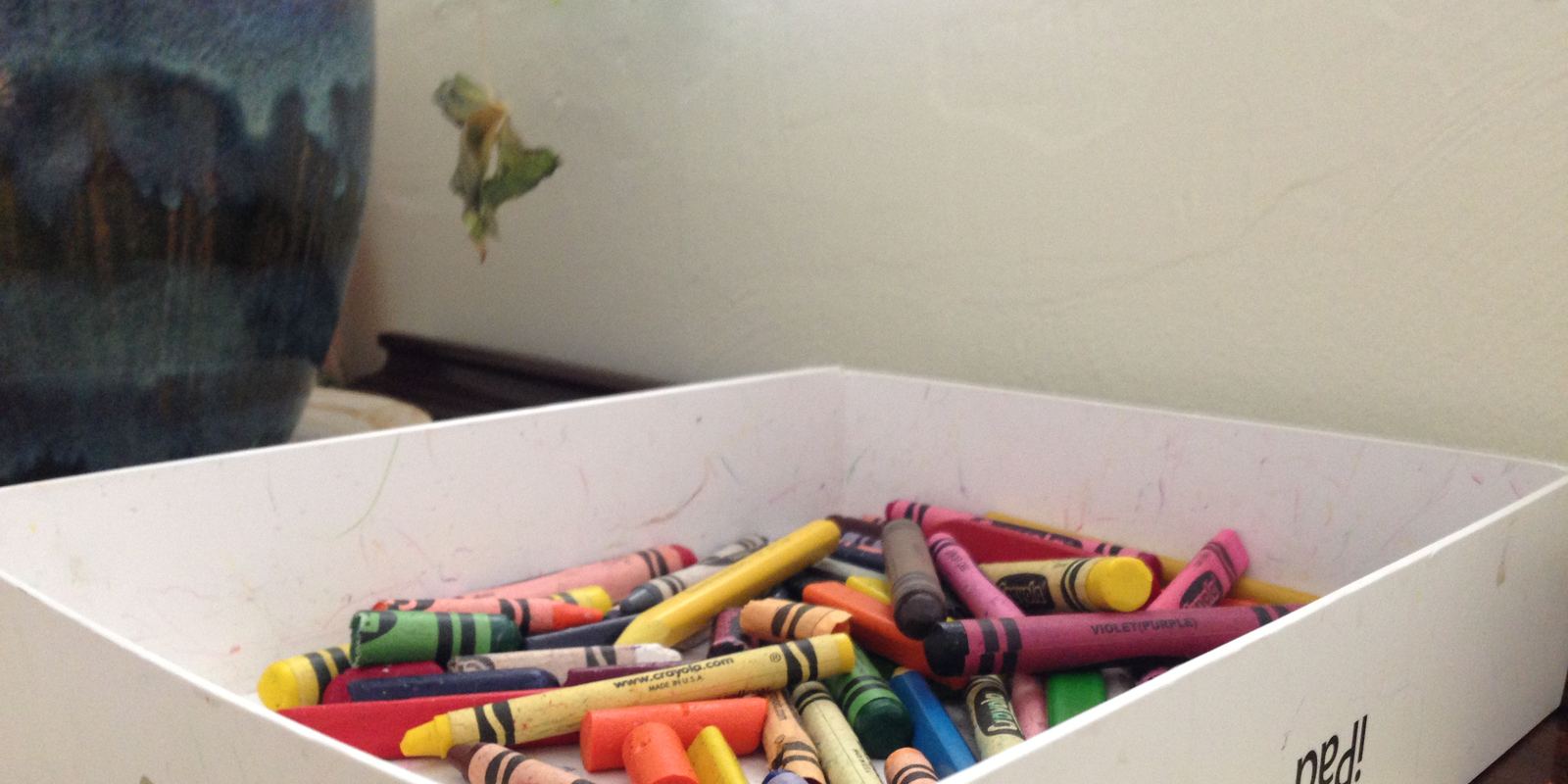
A box of crayons: Collin Anderson, CC BY 2.0
From black pigment to colour
Cousins Edwin Binney and C. Harold Smith ran a company that made carbon black pigment for car tyres and products like shoe polish. They also made slate pencils and dustless chalk for schools, and teachers told them children needed safe, affordable coloured crayons.
The first box
In 1903 the company launched Crayola crayons, a box of eight colours, black, brown, blue, red, violet, orange, yellow and green, for five cents. Edwin's wife, Alice Binney, a former teacher, came up with the name by combining the French word craie, meaning chalk, with oleaginous, meaning oily.
Colours and names
The range grew over the decades into well over 100 colours, and some names changed or were retired. Crayola has run public votes to name new shades. The famous 64-crayon box with a built-in sharpener appeared in 1958.
How crayons are made
Melted paraffin wax is mixed with powdered pigment, poured into moulds, cooled, and then labelled. Crayola's visitor attraction in Easton, Pennsylvania, shows the process. Crayons are made to be non-toxic for children's use.
How it changed everyday life
For generations, a new box of crayons has been a back-to-school ritual and many children's first art tool. Crayons made colourful drawing affordable for families and schools, and colouring books grew alongside them. The famous smell of crayons is among the most recognisable scents for many adults, according to surveys of familiar odours. Artists have also used crayons for serious work, and recycling programmes collect broken crayons to melt into new ones.
Did you know?
Crayon is also a general word for wax drawing sticks; Crayola is a brand name that became almost a household word for them.
- A box of crayons: Collin Anderson, CC BY 2.0
Text written by Original General.