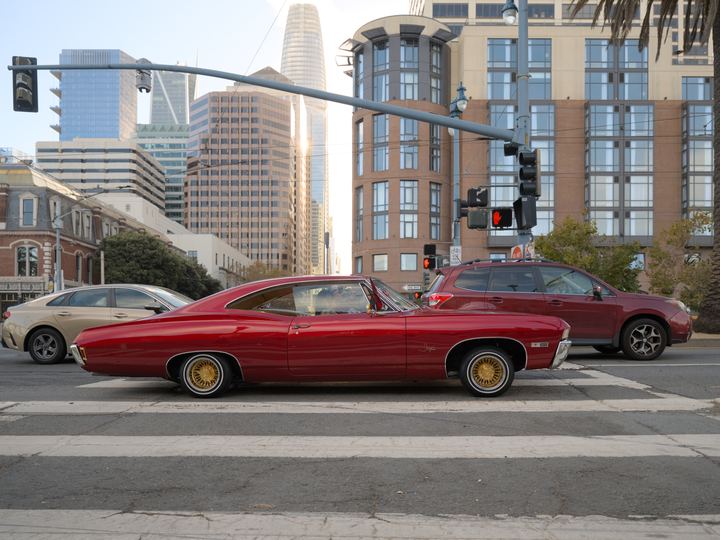
The Muscle Car Era
How the 1964 GTO lit the fuse. In 1964 Pontiac dropped a big V8 into a mid-size car and called it GTO. Here is how that sparked the American muscle car era, and why it faded.
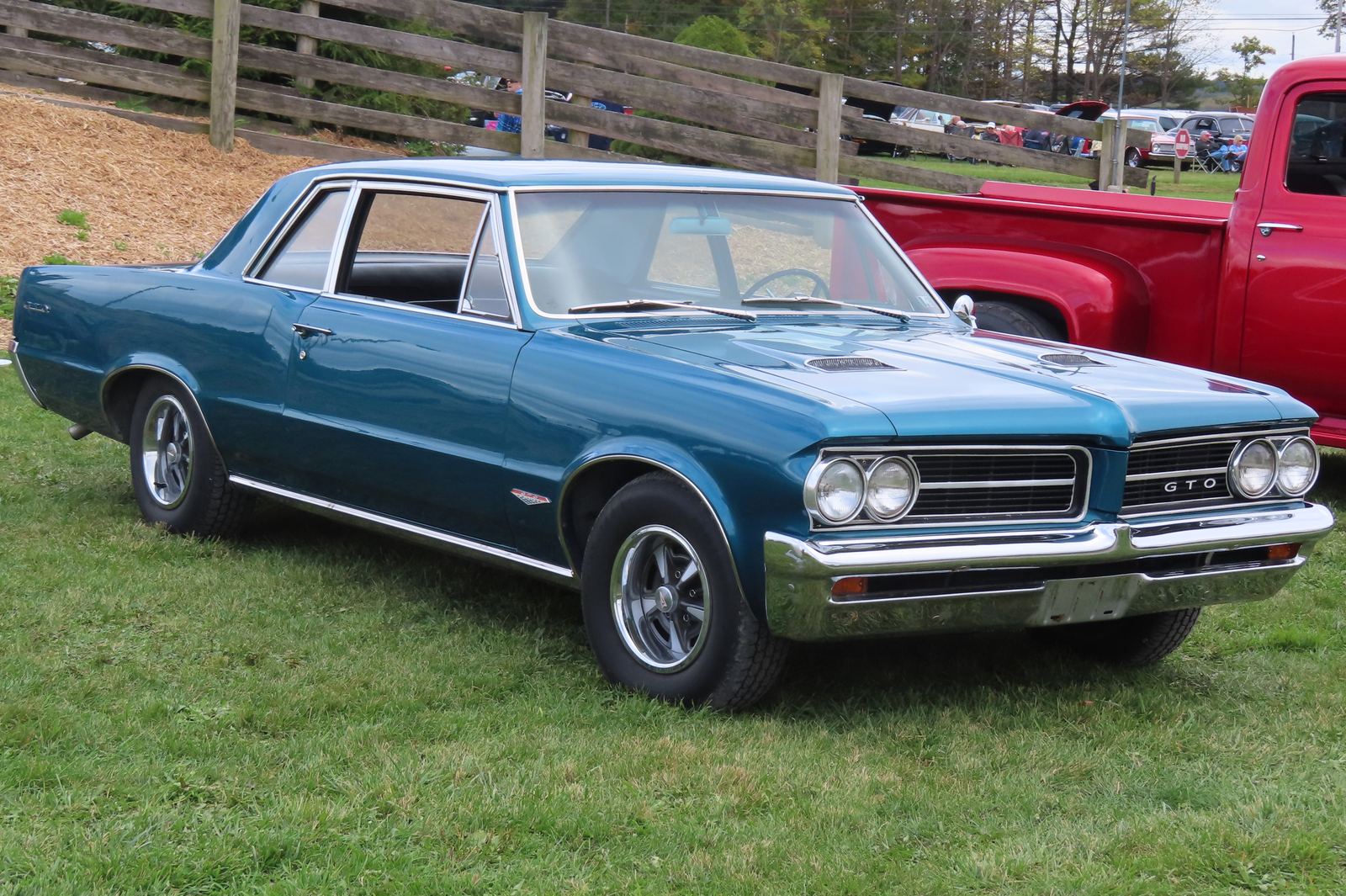
A 1964 Pontiac GTO coupe: MercurySable99, CC BY-SA 4.0
A loophole with a big V8
In the early 1960s General Motors had a rule that its mid-size cars could not carry engines bigger than 330 cubic inches. A team at Pontiac, including John DeLorean, Bill Collins and Russ Gee, noticed that the rule said nothing about optional equipment. So for 1964 they offered a $295 package for the Tempest LeMans that swapped in a 389 cubic inch V8 rated at 325 horsepower.
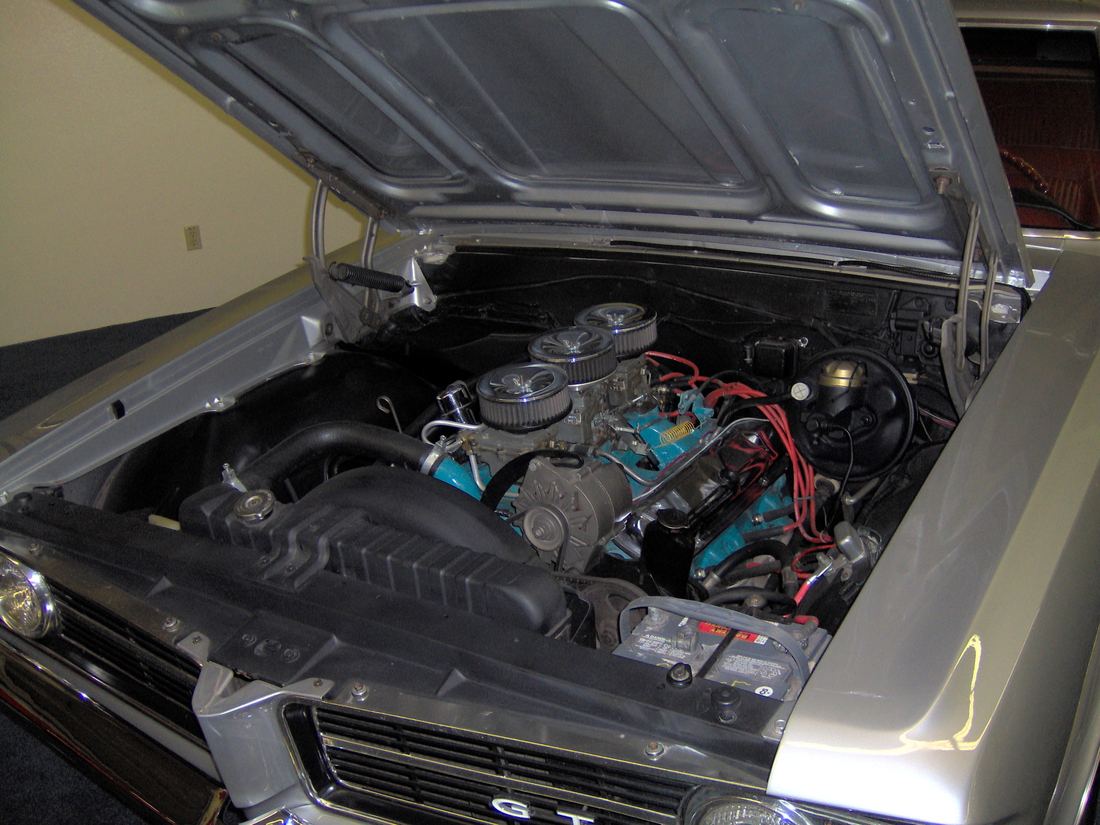
They called it GTO, borrowed from the Italian Gran Turismo Omologato. The package added dual exhausts, hood scoops, a floor-shifted three-speed with a Hurst shifter and redline tires. Buyers who wanted more could order Tri-Power, three two-barrel carburetors good for 348 horsepower.
Nobody expected this many buyers
Pontiac planned for about 5,000 GTOs. It sold 32,450 in 1964. Young drivers had found exactly what they wanted: a car that looked like a normal family coupe but could embarrass much pricier machines at a stoplight. By 1966 the GTO was its own model, and that year Pontiac built 96,946 of them, the high-water mark. Young fans nicknamed it the Goat.
Every other maker took notice. That same spring, Ford unveiled the Mustang at the New York World's Fair on April 17, 1964, starting the pony car class that soon got its own big-engine versions.
Cheap speed and cartoon horns
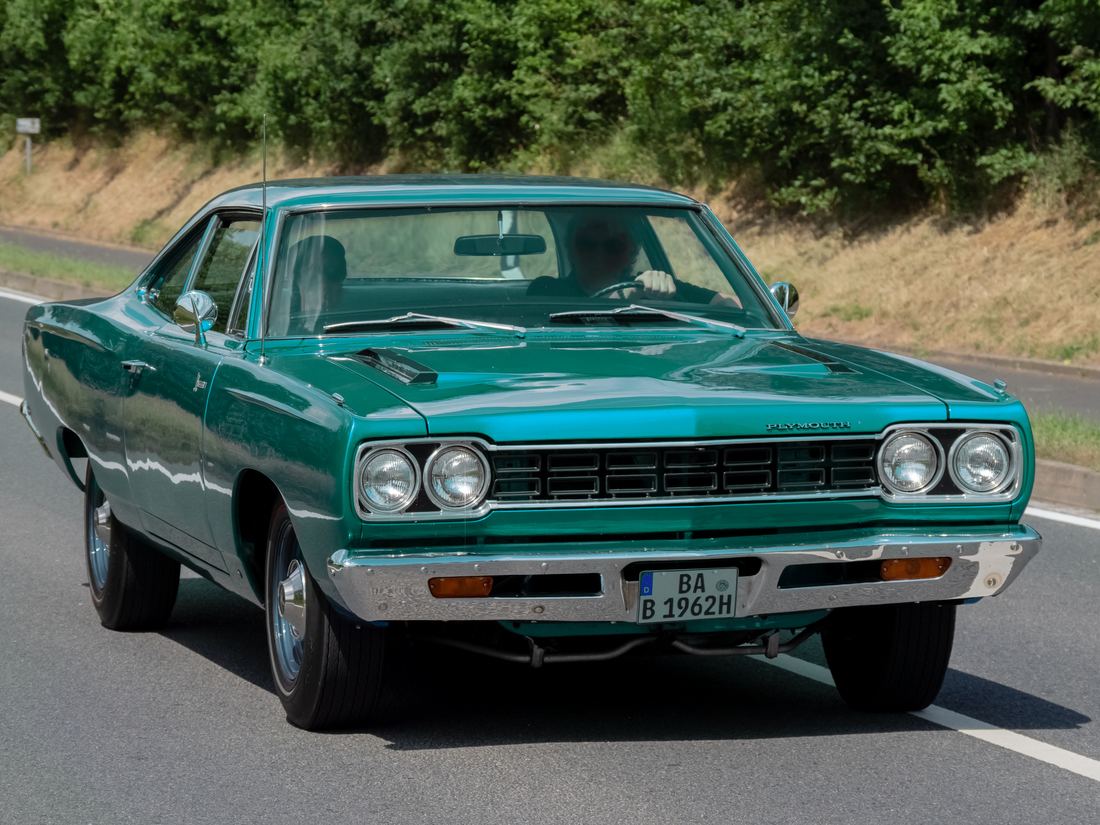
As prices crept up, Plymouth had a simple idea for 1968: strip the extras, keep the big engine, and keep the sticker low. The Road Runner even paid Warner Bros. to use the cartoon bird's name and likeness, and fitted a horn that went beep beep. Plymouth paid 50,000 dollars for the rights and another 10,000 dollars to develop that horn. Plymouth expected around 20,000 sales and sold about 45,000 that first year.
Through the late 1960s the horsepower numbers kept climbing, and by 1970 some engines were advertised at up to 450 horsepower. In 1970 Plymouth even built the Superbird, a Road Runner with a pointed nose and a towering rear wing made to win on NASCAR superspeedways, and produced 1,935 of them for the US market.
Why the party ended
The early 1970s brought a string of changes all at once. Insurance companies added surcharges for high-horsepower cars, emissions rules under the Clean Air Act pushed makers toward cleaner engines that could run on unleaded fuel, and horsepower ratings switched from optimistic gross figures to more realistic net figures. Then the 1973 oil crisis made big V8s hard to justify.
The original GTO ended in 1974 on the compact Ventura platform. But the idea never died. Restored GTOs, Road Runners and Chevelles fill car shows every weekend, and they still turn heads the way they did when gas was cheap and Saturday nights were loud.
- A 1964 Pontiac GTO coupe: MercurySable99, CC BY-SA 4.0
- The 389 Tri-Power V8 in a 1964 GTO: Stephen Foskett (Wikipedia User: sfoskett), CC BY-SA 3.0
- A 1969 Plymouth Road Runner on the road: Ermell, CC BY-SA 4.0
Text written by Original General.