Game Boy: Gaming Goes Pocket-Sized
Four shades of green, endless hours. In 1989 Nintendo's Game Boy put a whole game library in your pocket, with Tetris in the box. Here is how a simple gray handheld became a legend.
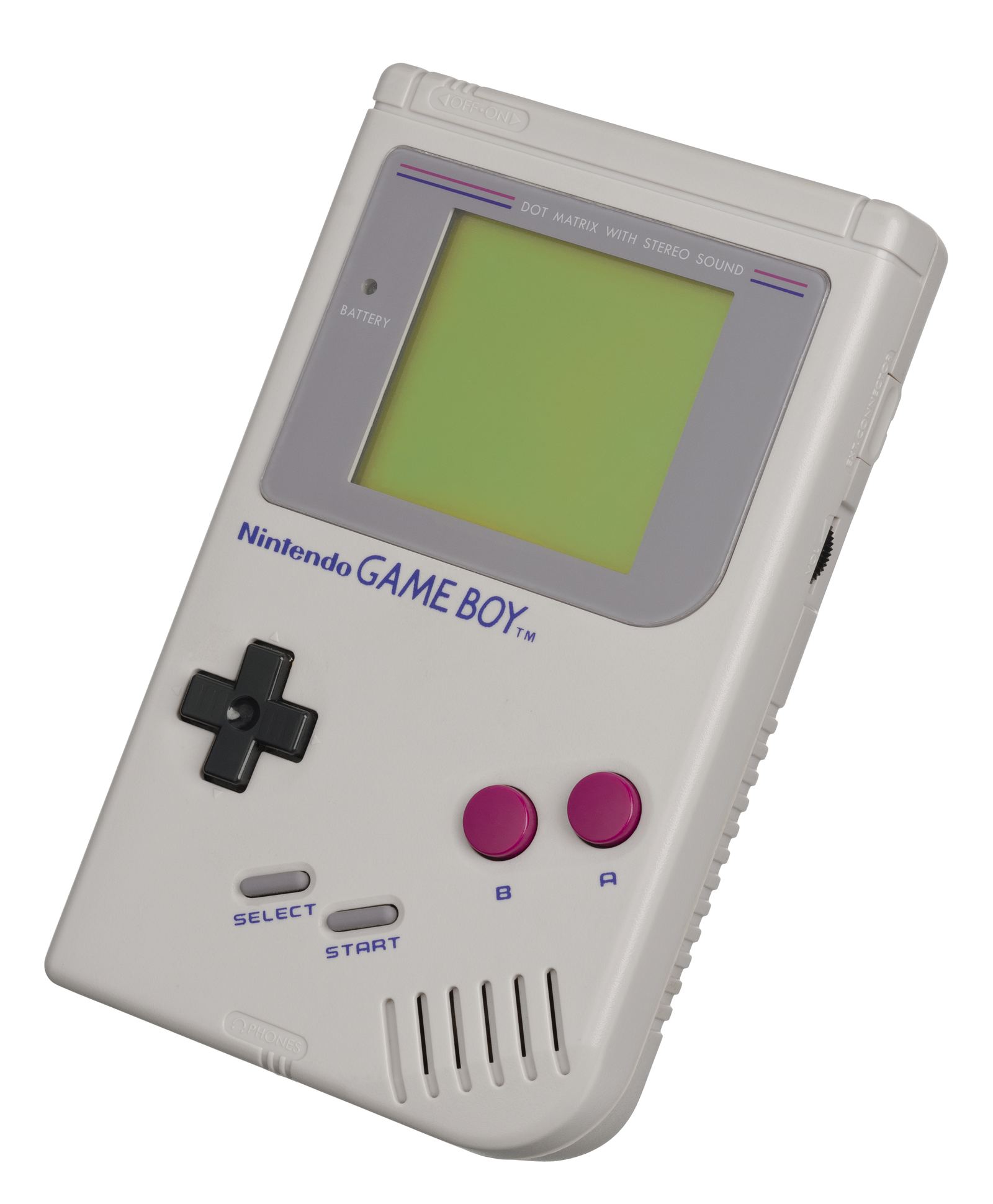
The original Nintendo Game Boy: Evan-Amos, Public domain
Old tech, new trick
Gunpei Yokoi had a favorite idea. He called it lateral thinking with withered technology: take parts that are cheap, proven and reliable, then use them in a surprising new way. Yokoi had already used that recipe for Nintendo's Game & Watch handhelds, the single-game LCD toys that began in 1980 and sold 43.4 million units.
His team, Nintendo Research and Development 1, worked with Satoru Okada to take the next step: a handheld with a dot-matrix screen and swappable cartridges. Instead of chasing color, they chose a simple monochrome display, an 8-bit processor and long battery life on four AA batteries. Rival handhelds with flashier color screens would struggle with how quickly they drained their batteries.
Tetris in the box
The Game Boy went on sale in Japan on April 21, 1989, and the first shipment of 300,000 units sold out within two weeks. It reached North America on July 31, 1989, at US$89.95, and 40,000 units sold on the first day.
The masterstroke was the pack-in game. Henk Rogers, who had acquired the rights to Tetris, convinced Nintendo of America president Minoru Arakawa to bundle the falling-block puzzle instead of Super Mario Land. His argument was that Mario mostly appealed to young boys, while Tetris would appeal to everyone. He was right. Parents, commuters and kids all got hooked, and Tetris became the best-selling Game Boy game, with more than 35 million copies shipped.
Link cables and pocket monsters
The 160 by 144 pixel screen showed just four shades of gray and green, but nobody cared once the games started. The Game Link Cable, developed by Okada, let two players connect for head-to-head Tetris and later made trading and battling possible in the first Pokemon games.
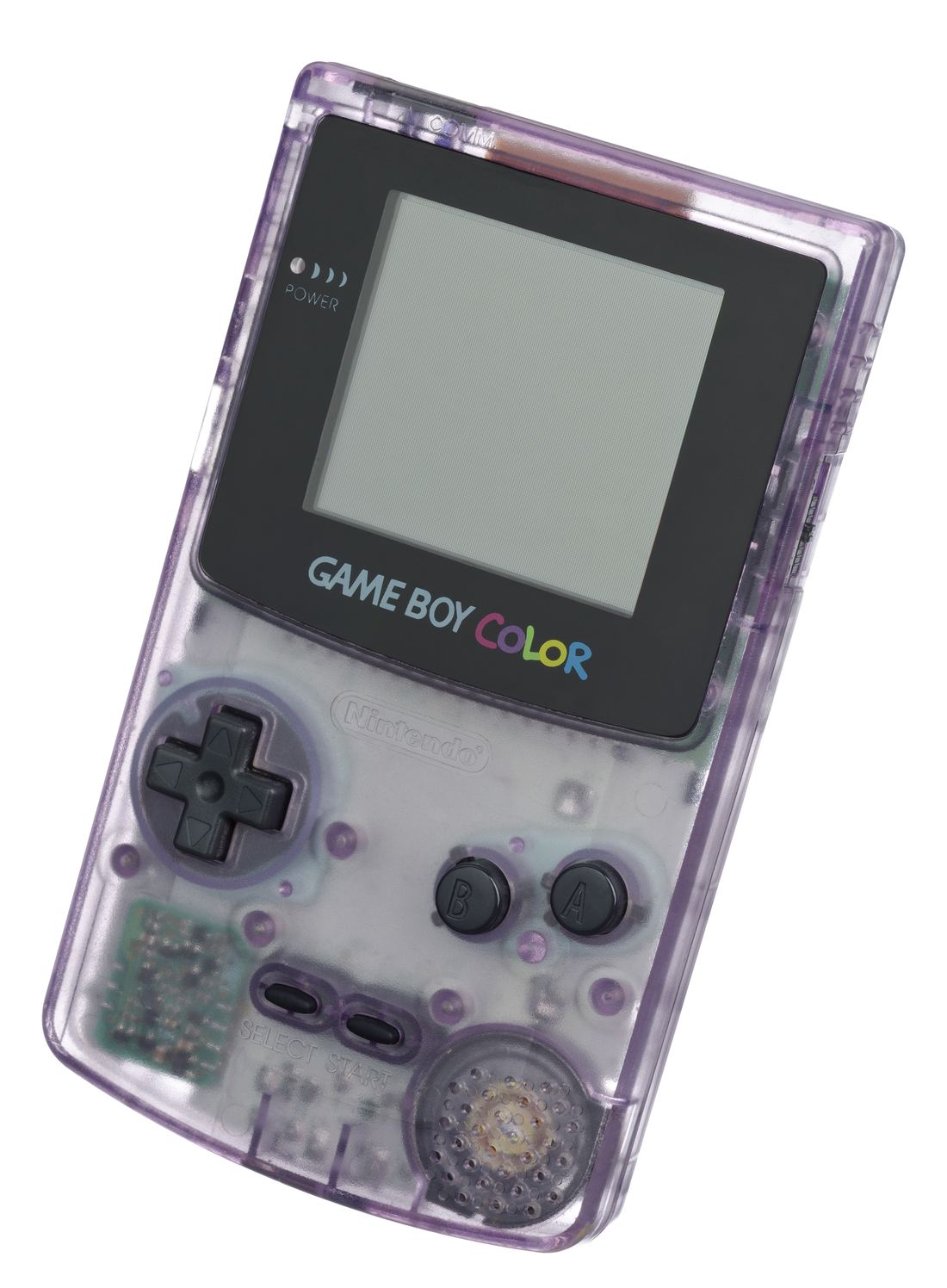
Pokemon gave the aging handheld a huge second wind in the late 1990s. Nintendo kept refreshing the hardware too, with the slimmer Game Boy Pocket in 1996 and the Game Boy Color in 1998, which could still play the original gray cartridges.
Built to last
Together, the Game Boy and Game Boy Color sold about 118.69 million units, and they were the best-selling console ever when the line was retired in 2003. Original units are famous for surviving drops, sand and years at the bottom of a backpack.
For anyone who grew up with one, the memories are specific: squinting under a lamp because there was no backlight, hunting for fresh AA batteries, and the little chime when the Nintendo logo slid down the screen. Every handheld since, including the phone in your pocket, owes something to that gray brick.
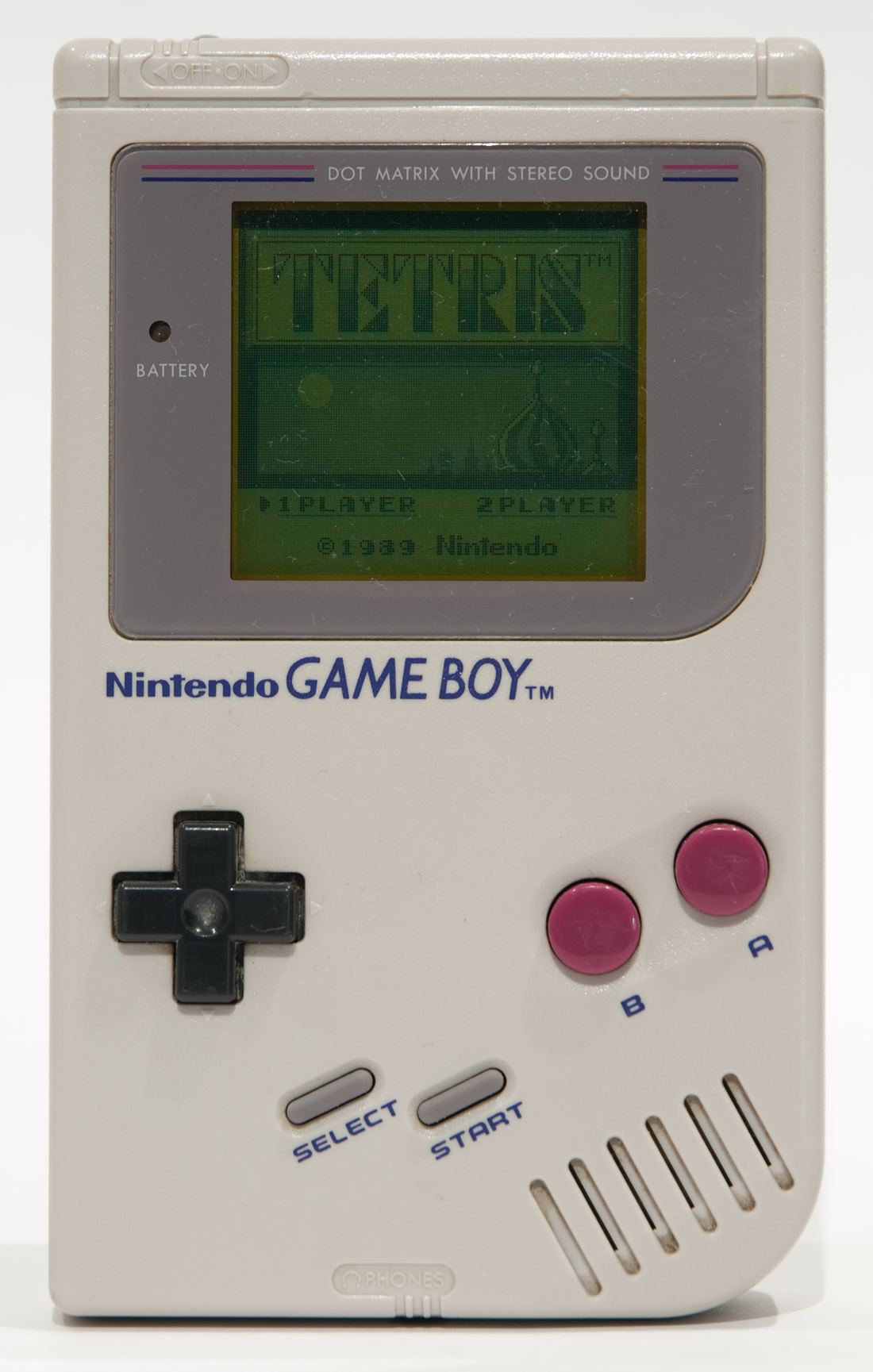
- The original Nintendo Game Boy: Evan-Amos, Public domain
- Tetris on the Game Boy: William Warby from London, England, CC BY 2.0
- The Game Boy Color, in clear purple: Evan-Amos, Public domain
Text written by Original General.