The NES: The Console That Saved Gaming
How a gray box revived video games. After the 1983 crash, Nintendo dressed its Famicom up as a toy-like gray box with a robot sidekick and won back America's living rooms. Here is the story.
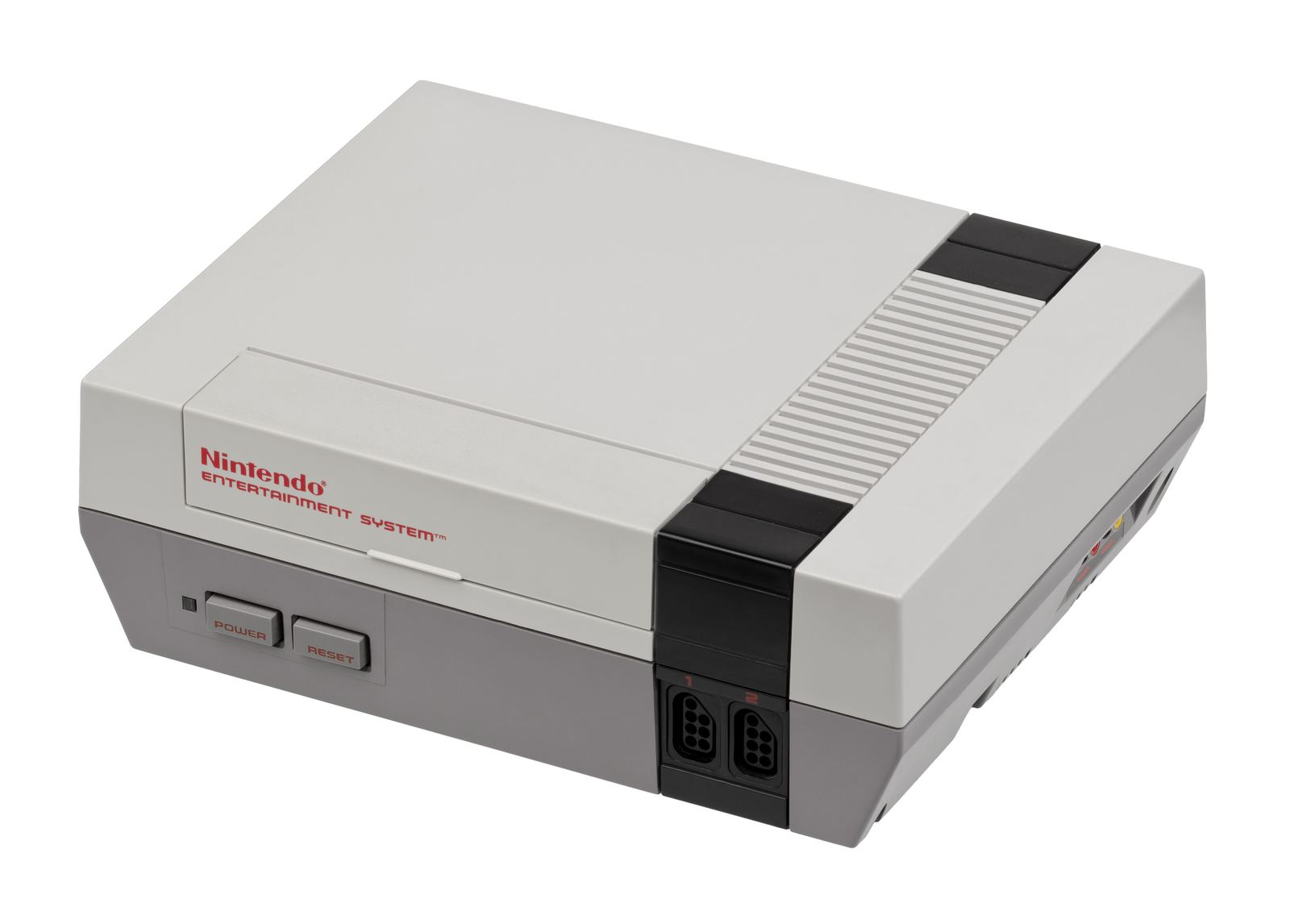
The Nintendo Entertainment System: Evan-Amos, Public domain
A market in ruins
In the early 1980s home video games looked like a fad that had burned out. Stores were stuck with piles of low-quality cartridges, and US home game revenue fell from about $3.2 billion in 1983 to around $100 million in 1985, a drop of almost 97 percent. Retailers did not want to hear the words video game ever again.
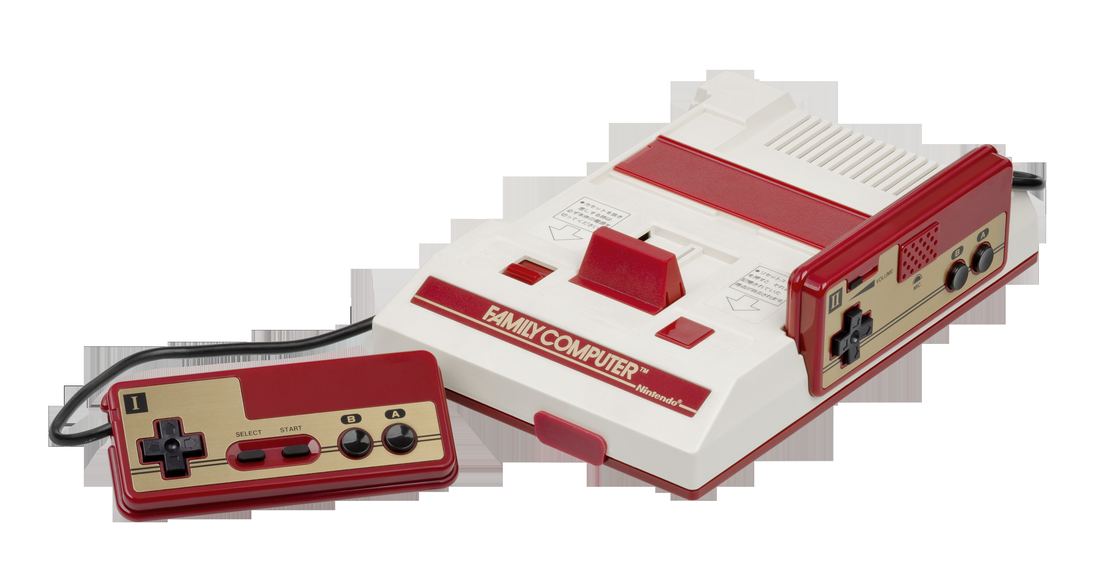
Meanwhile in Japan, Nintendo was having the opposite experience. Its Family Computer, or Famicom, went on sale on July 15, 1983. Engineer Masayuki Uemura designed it after company president Hiroshi Yamauchi asked for a simple, affordable machine that could bring arcade-style games home on cartridges. By the end of 1984 it was the best-selling console in Japan.
A makeover and a robot buddy
To win over nervous American store buyers, Nintendo of America changed the look completely. Designers Lance Barr and Don James gave the console a two-tone gray box with a black stripe and a front-loading slot modeled on a VCR, so the cartridge disappeared inside like a videotape. They called it the Nintendo Entertainment System.
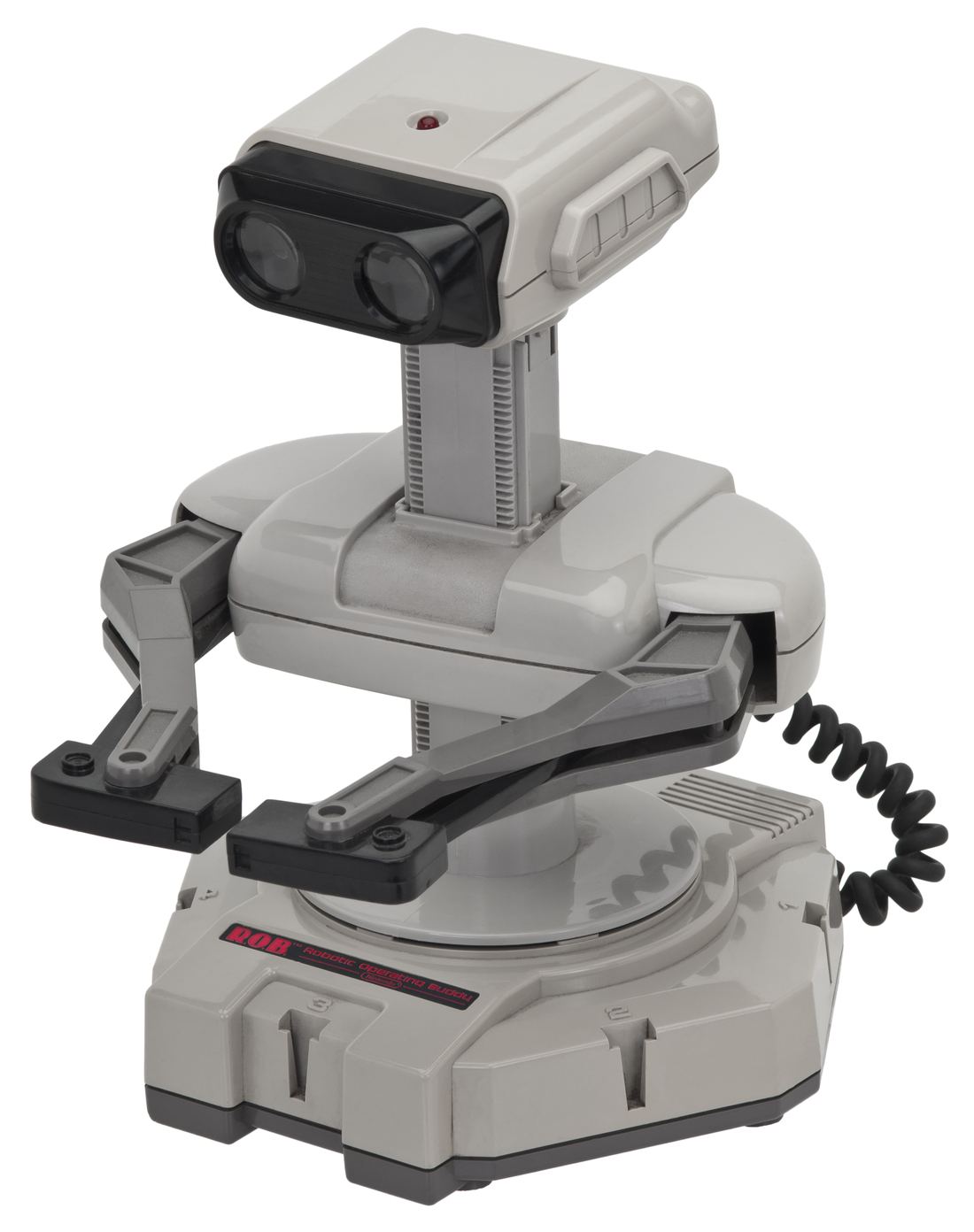
Then came a clever marketing move: R.O.B., the Robotic Operating Buddy. The little robot worked with only two games, Gyromite and Stack-Up, but it helped present the NES as a high-tech toy instead of just another video game console. R.O.B. was quietly retired a few years later and is now remembered as one of the smartest Trojan horses in toy history.
New York first, then everywhere
The NES launched in a limited test market in New York City on October 18, 1985, moved to Los Angeles in February 1986 and went nationwide on September 27, 1986. Super Mario Bros. was part of the launch lineup, and it showed players what a home game could be: a big, scrolling world full of secrets.
Nintendo also set strict rules for game makers. Its Official Nintendo Seal of Quality and the 10NES lockout chip were meant to keep out the flood of junk that had sunk the previous generation. By the end of 1986 more than a million units had been sold in the United States.
Blow on the cartridge
The NES went on to sell 61.91 million consoles worldwide. Nintendo stopped making it for North America and Europe on August 14, 1995, while the Famicom kept going in Japan until September 2003.
For a generation, it was the box under the TV: two rectangular controllers, a stack of gray cartridges and the ritual of blowing into a game that would not start. It brought an entire industry back to life, and its music and characters still pop up in games today.
- The Nintendo Entertainment System: Evan-Amos, Public domain
- The original Japanese Famicom, 1983: Evan-Amos, Public domain
- R.O.B., the Robotic Operating Buddy: Evan-Amos, CC BY-SA 3.0
Text written by Original General.
← The Golden Age of ArcadesGame Boy: Gaming Goes Pocket-Sized →